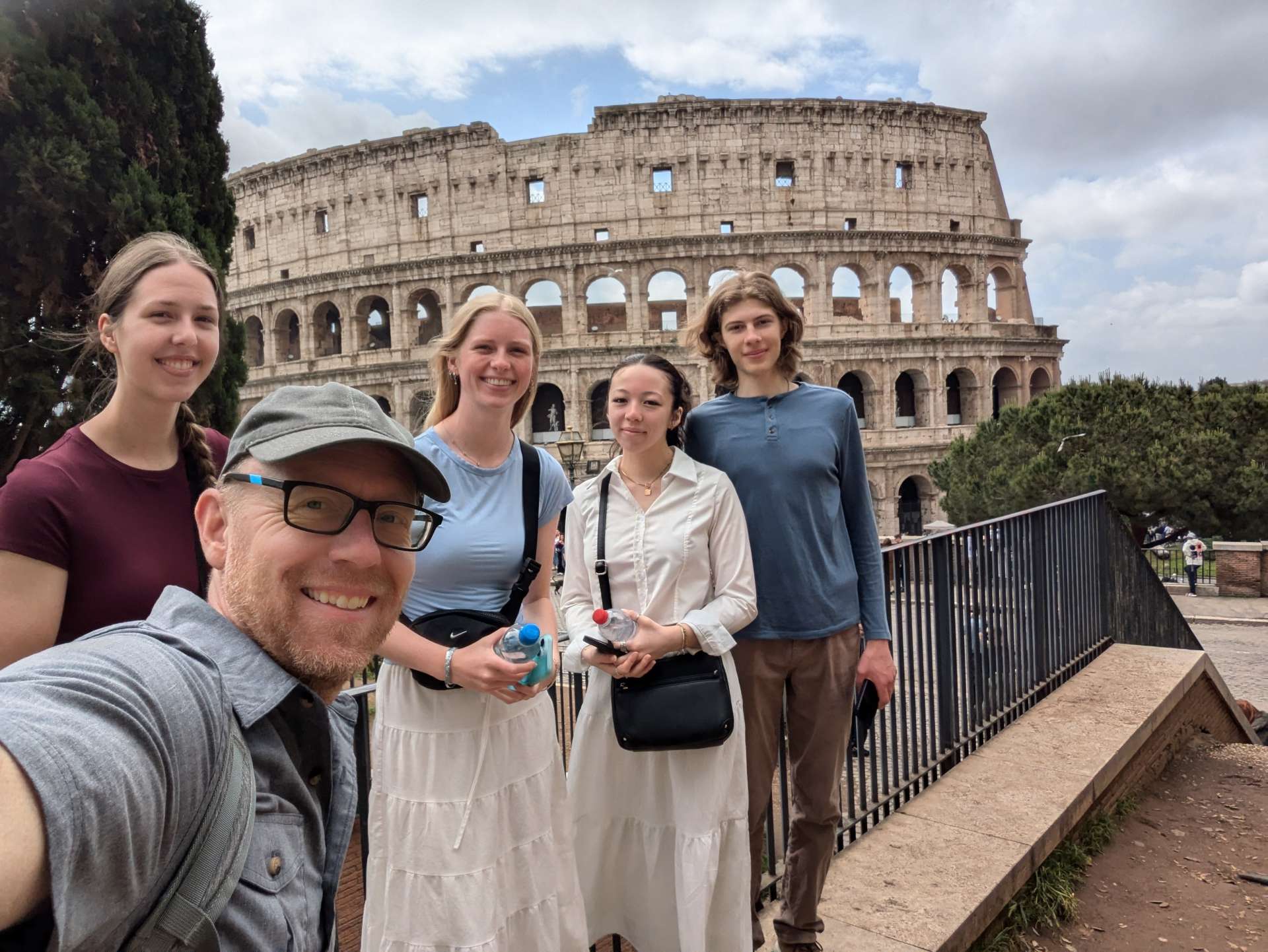
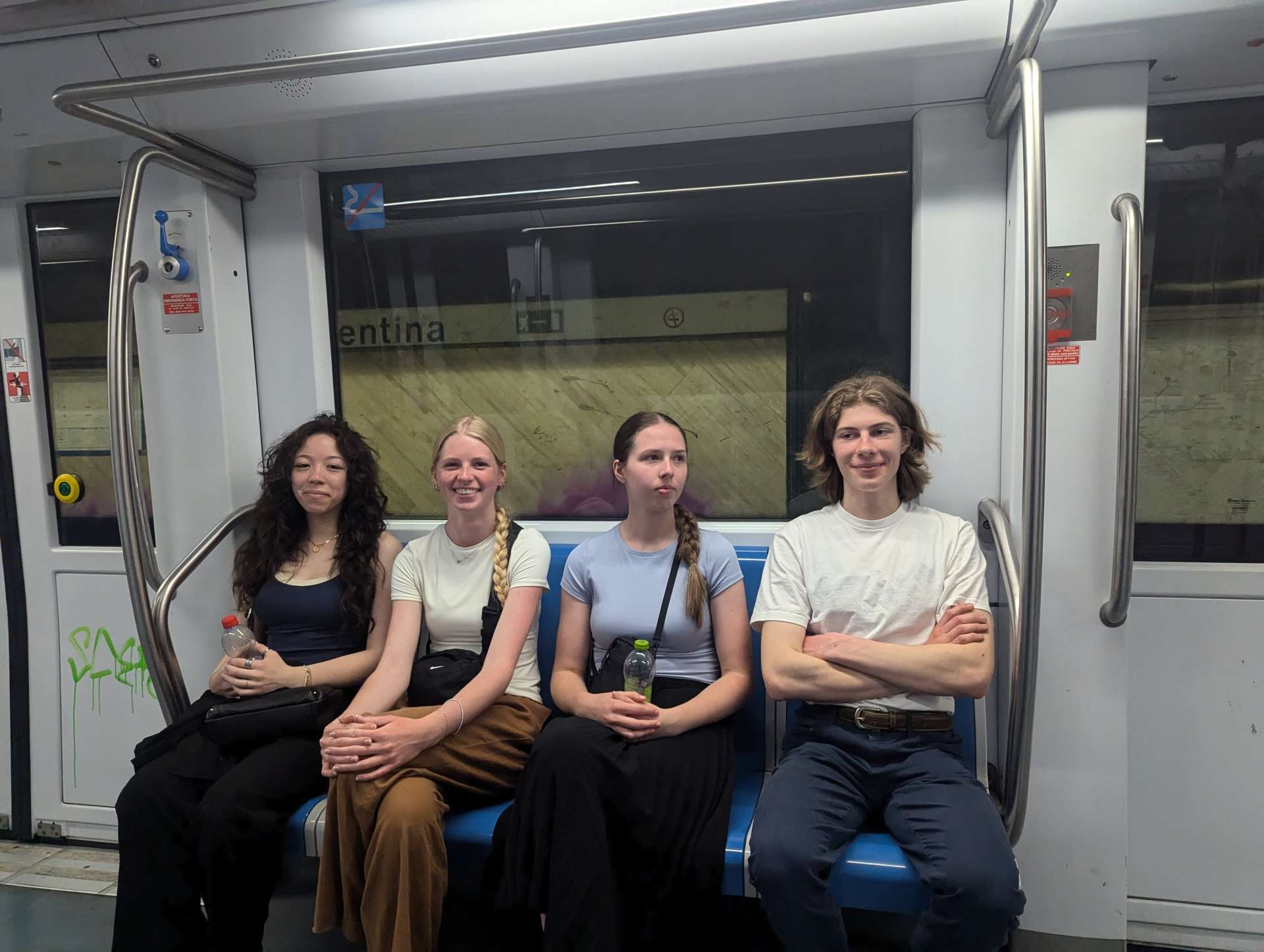
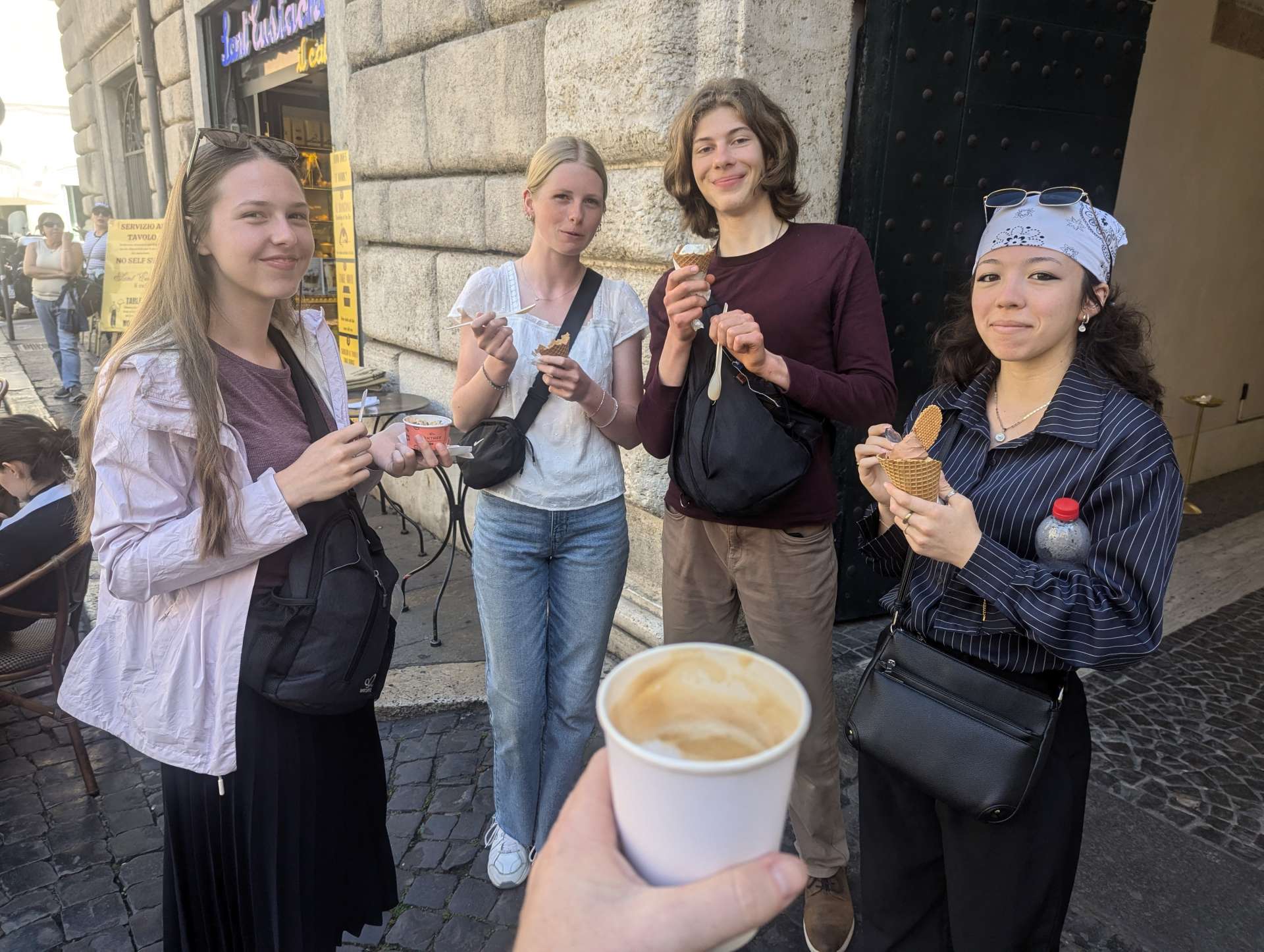
Angelicum students experience history in Rome!
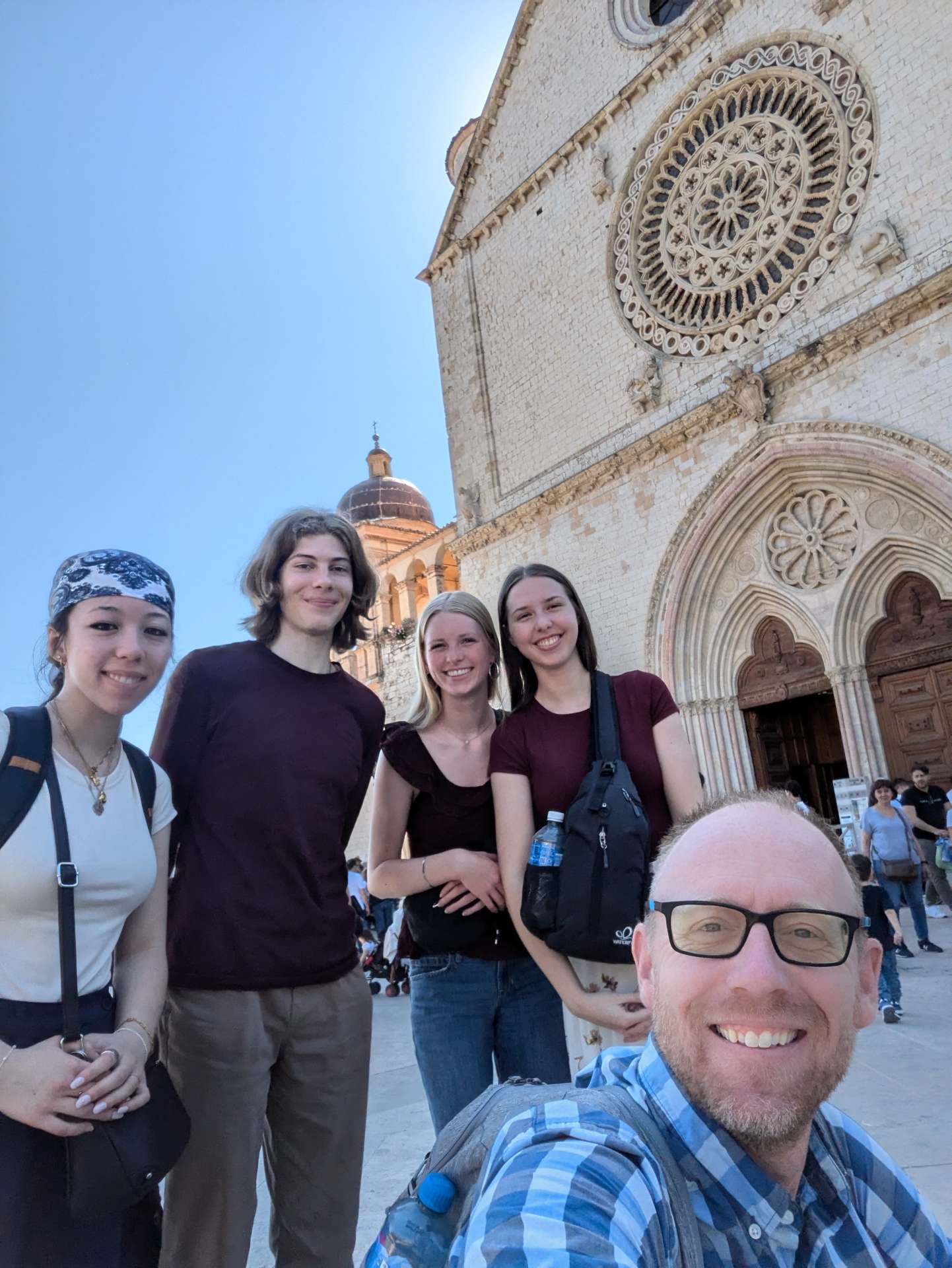
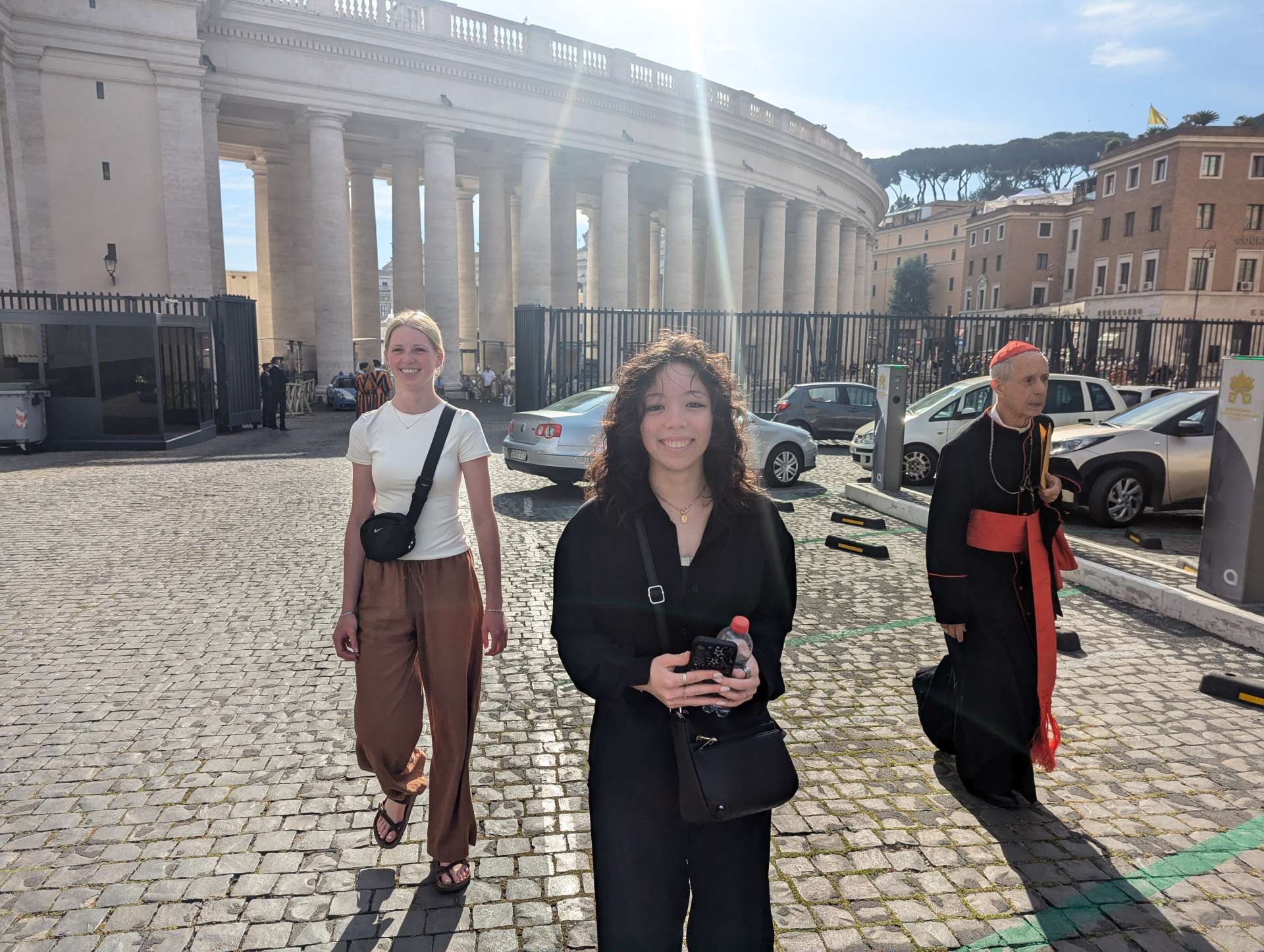
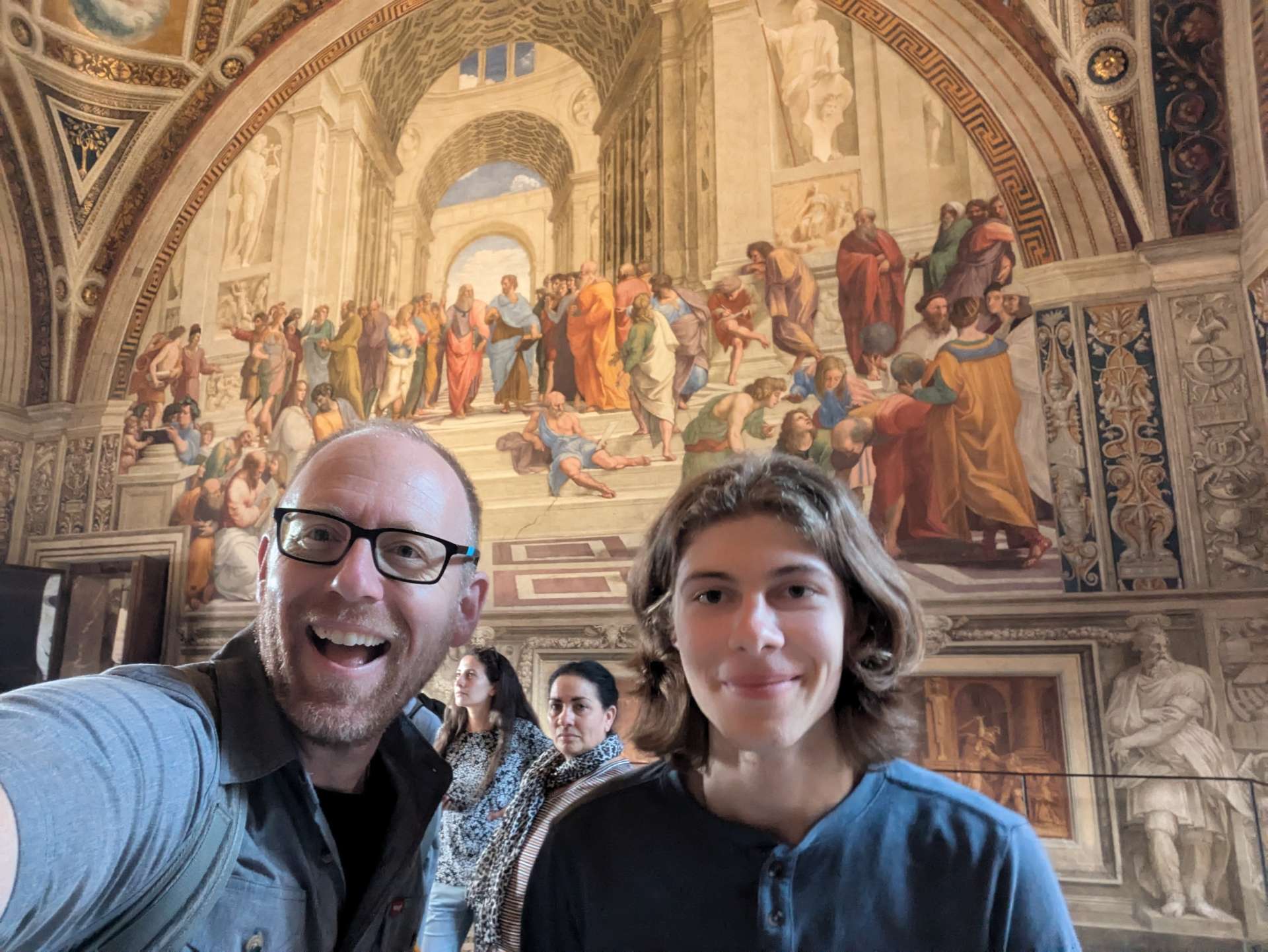
Kathryn Hofer:
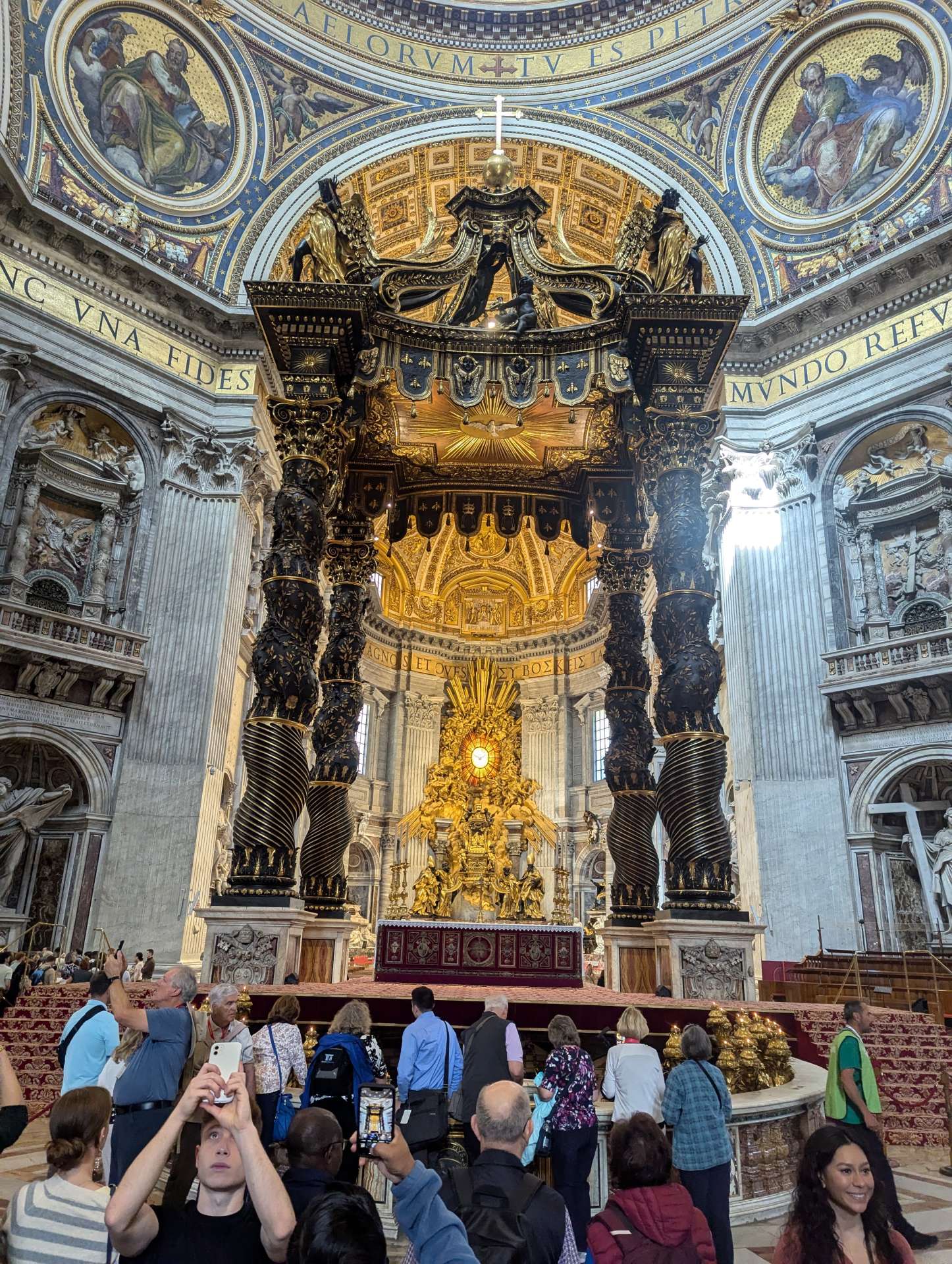
Through the Great Books Program, I have gained knowledge that has become the foundation of the way I understand and approach things. This, along with the exploration of various ideas and themes in the Great Books, has enabled me to look at things through different perspectives and to seek the good, true, and beautiful in myself, others, and in the world around me. I am grateful to have gone through the Great Books Program before I went on the pilgrimage to Rome because it definitely helped to shape my experience of Rome. One of my highlights from the trip was my first time in St. Peter’s Basilica. The moment I walked into the basilica, I felt at home. I was surrounded by the beauty, truth, and goodness that we searched for and talked about during the Great Books Program. All of the ideas that I had in my head were now present in front of me, and I was able to experience it fully in a place that felt like home.
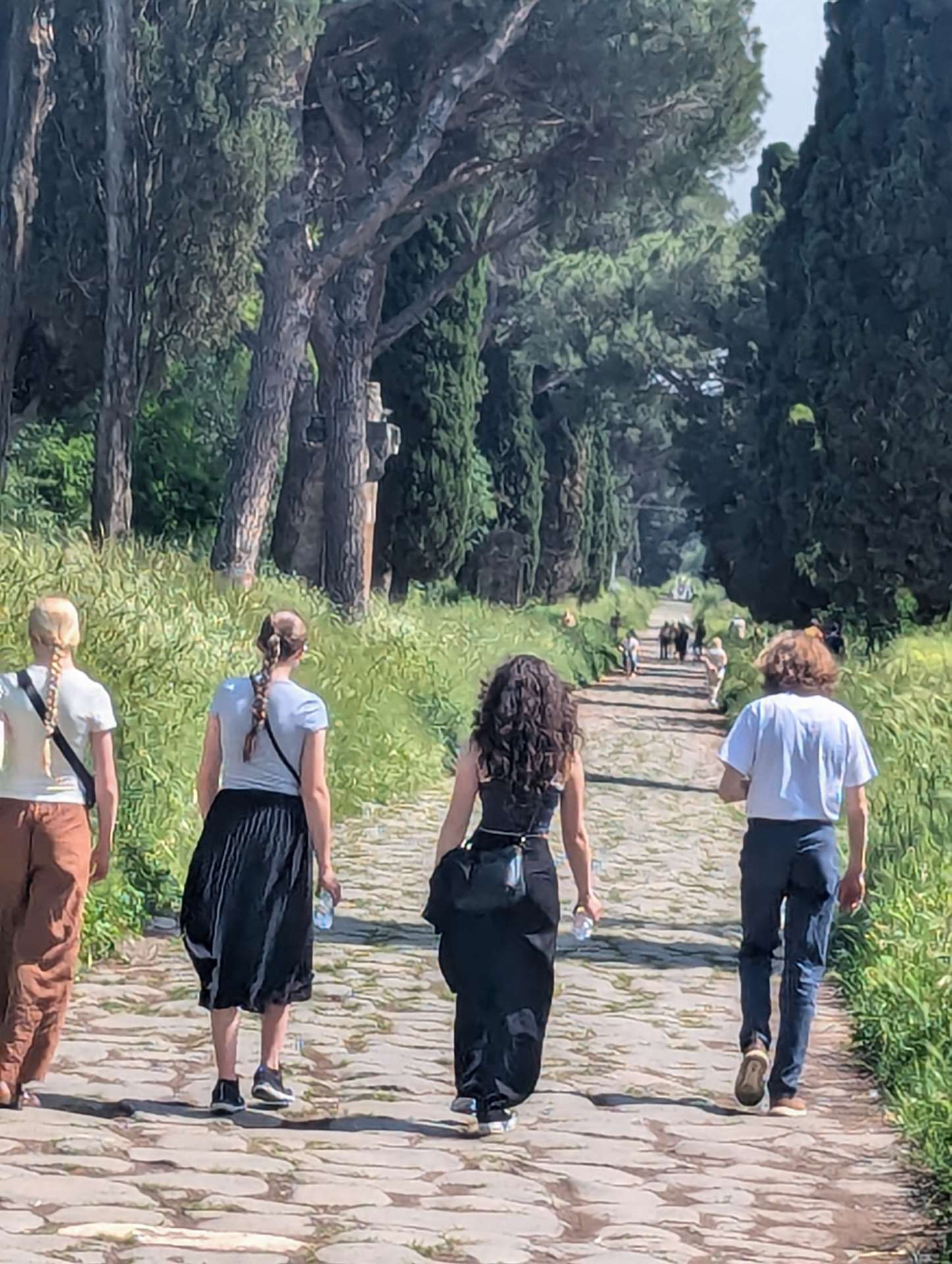
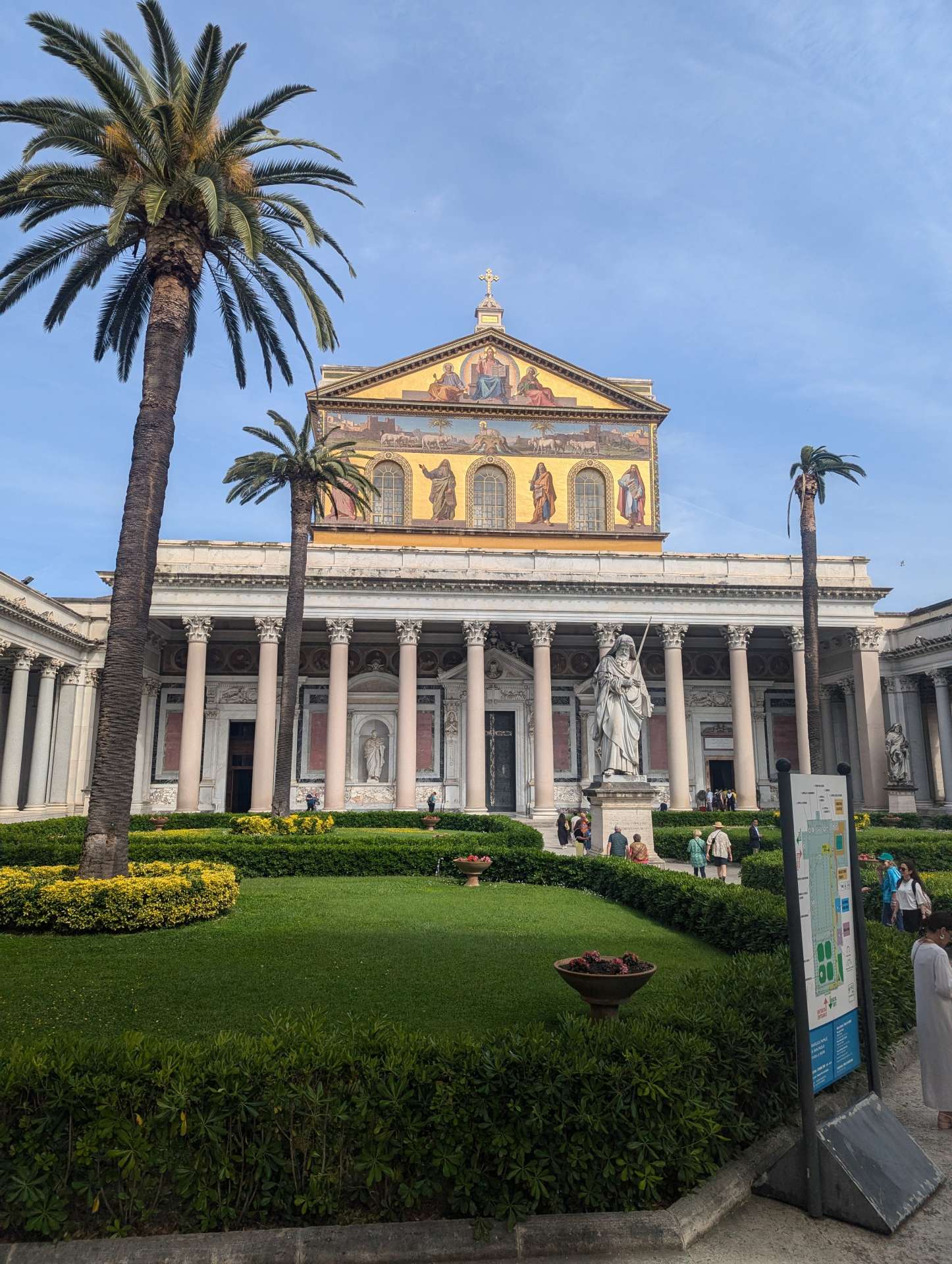
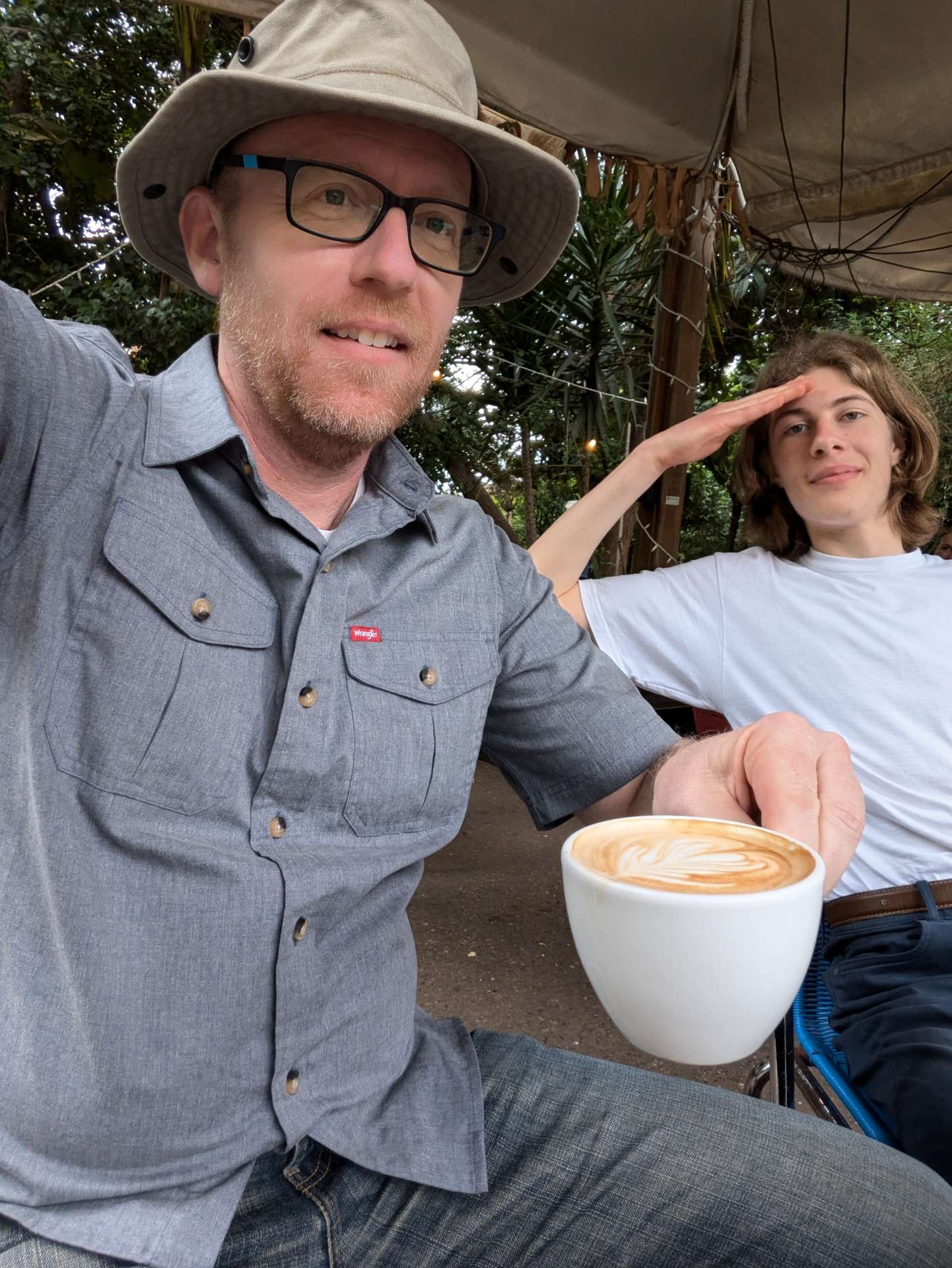
Even the structure of our days in Rome echoed the rhythm of the Great Books Program: thoughtful reflection, exploration as a group, and meaningful conversation. Whether we were walking the Appian way or standing in awe beneath Michelangelo’s dome, I found myself recalling specific passages, ideas, and questions that we had wrestled with in class over the years. The trip was not simply a celebration of what we had read—it was a vivid encounter with the ongoing questions and traditions that the Great Books Program has helped me to engage more with deeply: justice, truth, beauty, sacrifice, and the search for the good life. Being there, surrounded by the physical remnants of so many of the authors and heroes we studied, gave me a sense of continuity with the past and a renewed sense of responsibility for the future. Rome was more than a destination—it was a living testament to the enduring ideas that have shaped my education and a powerful reminder of why these great books still matter.
Elia Koch:
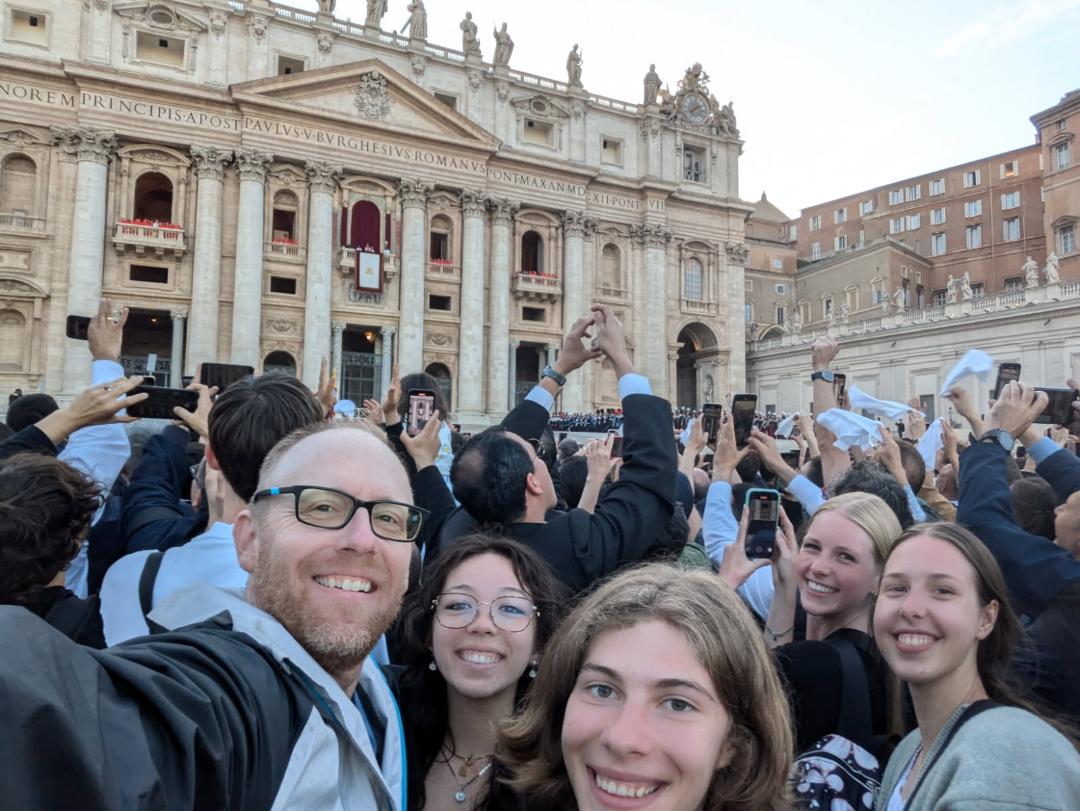
This spring, me and my classmates, Anastasia Wambeke and Kathryn Hofer, graduated from the Great Books program and our homeschool co-op. To celebrate this we were able to get plane tickets to Rome. A good friend and mentor, Dan Wambeke, graciously organized the flights and the rest of the trip, for which we are all very grateful.
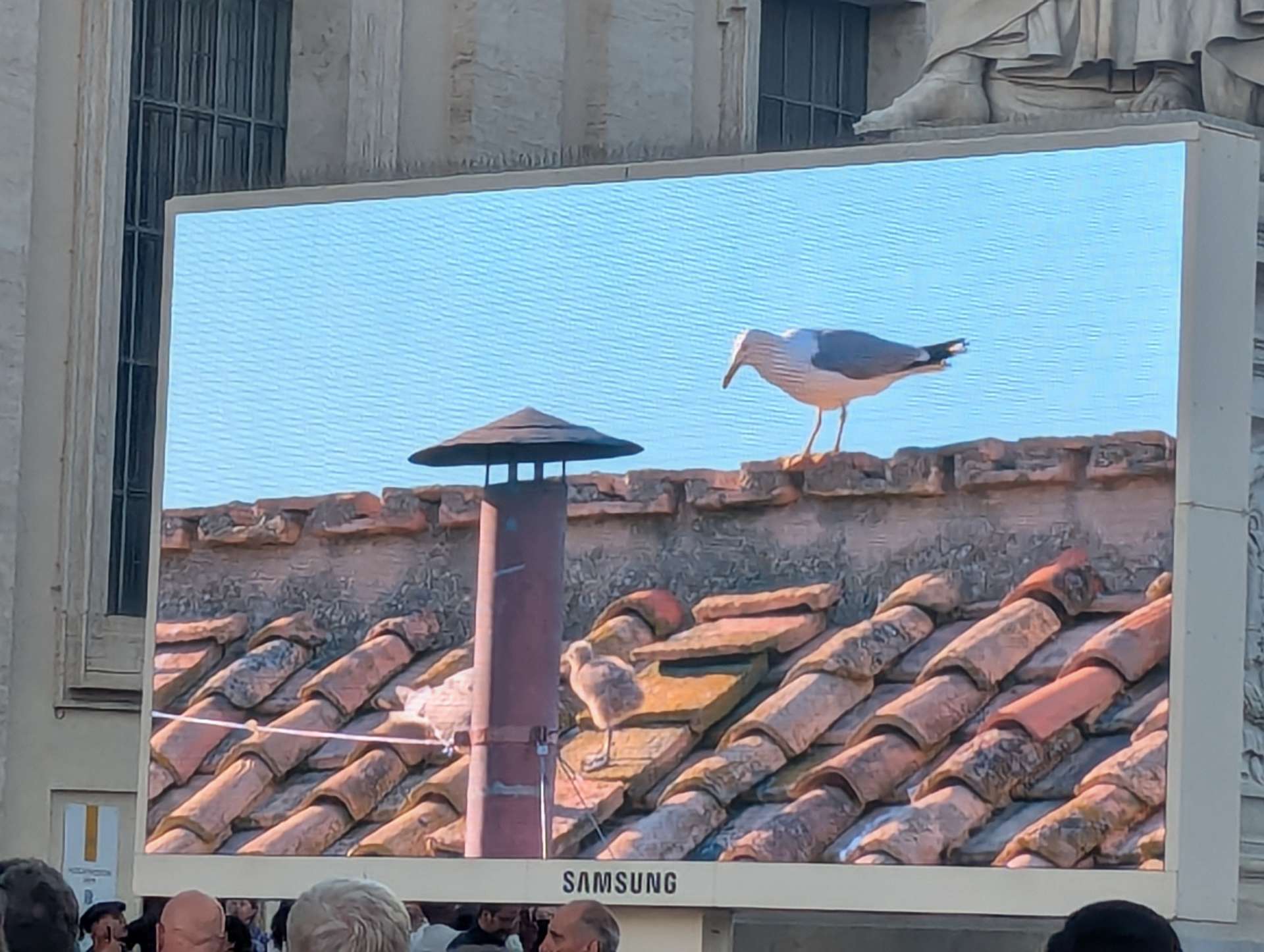
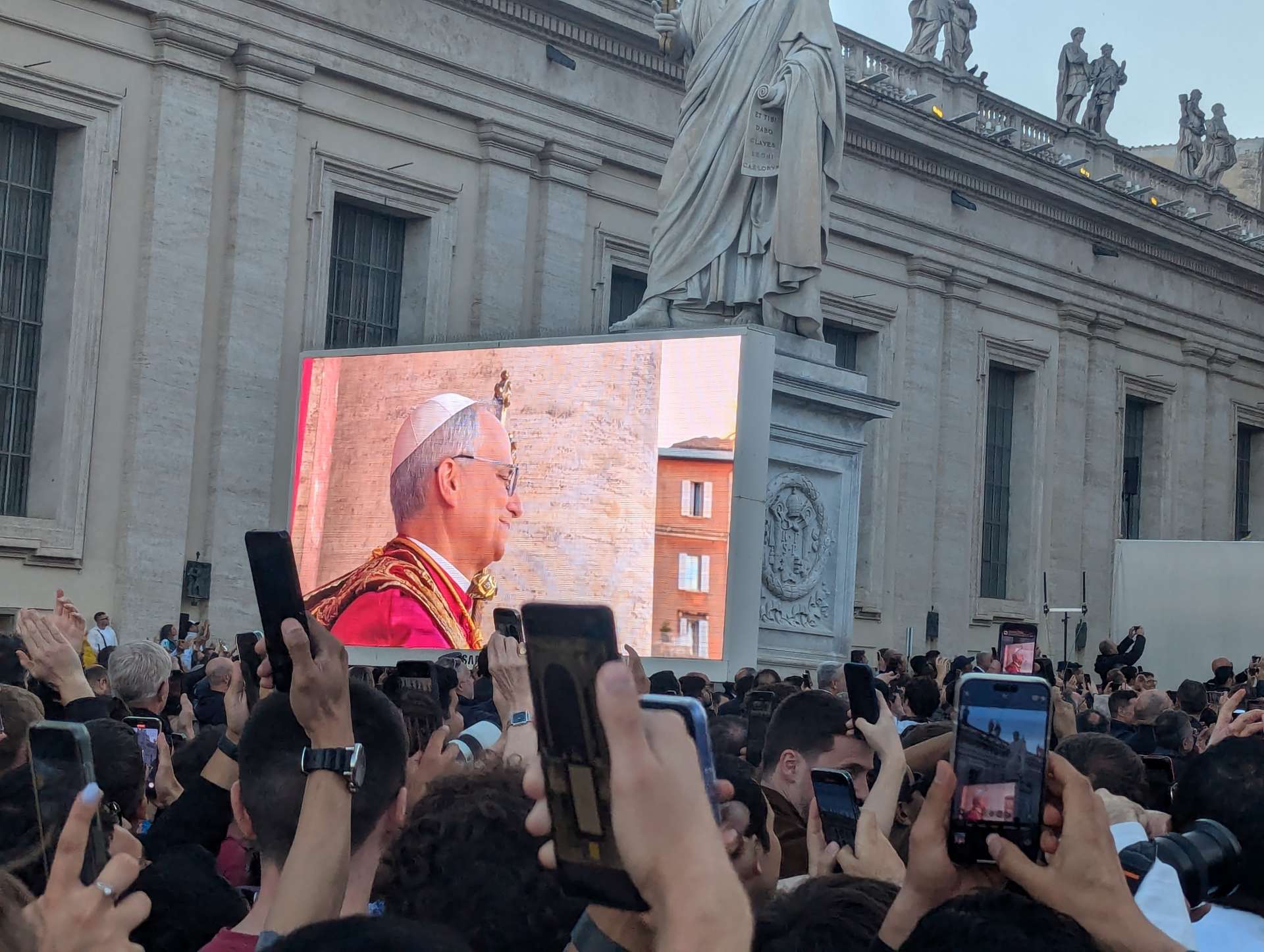
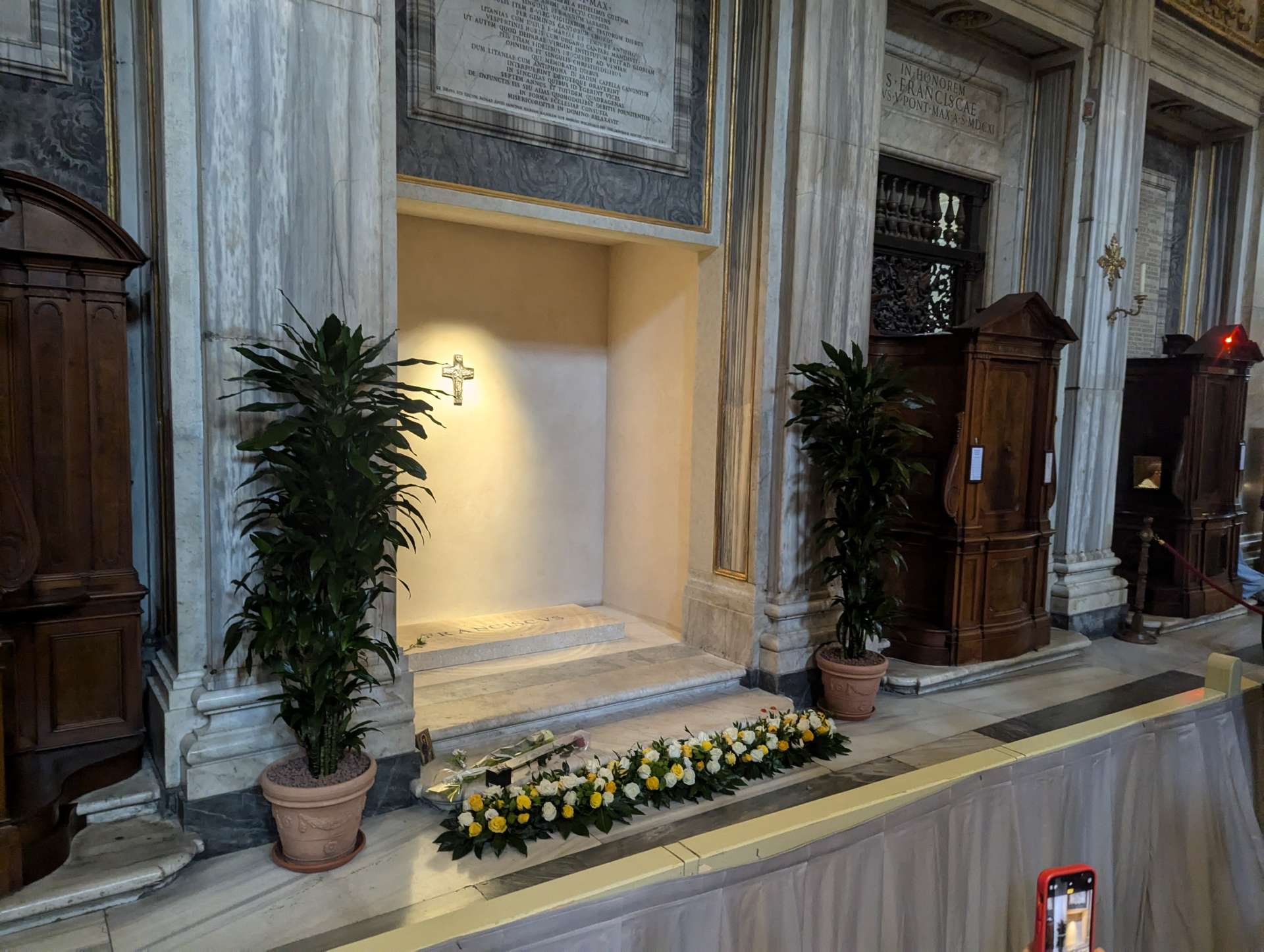
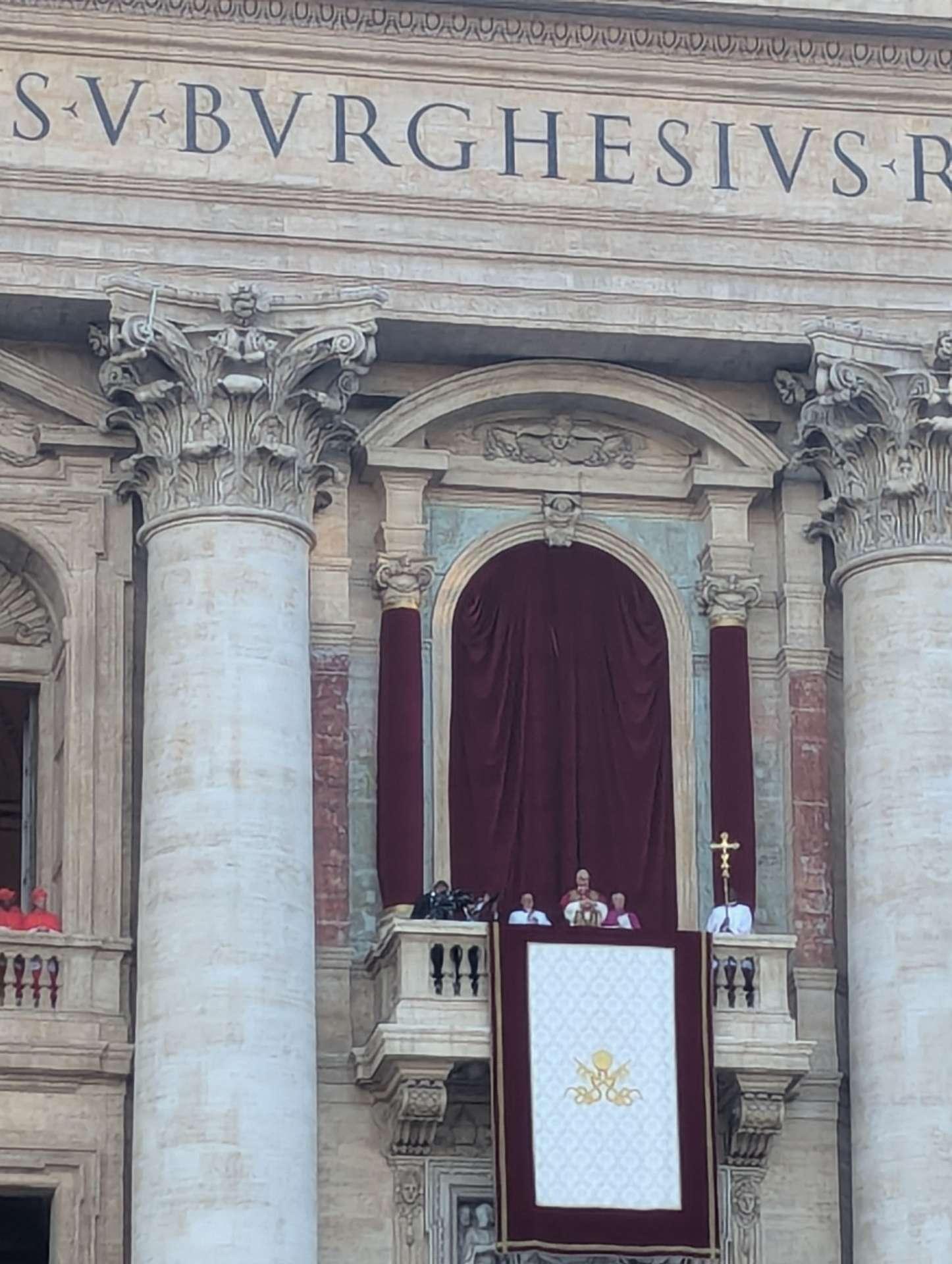
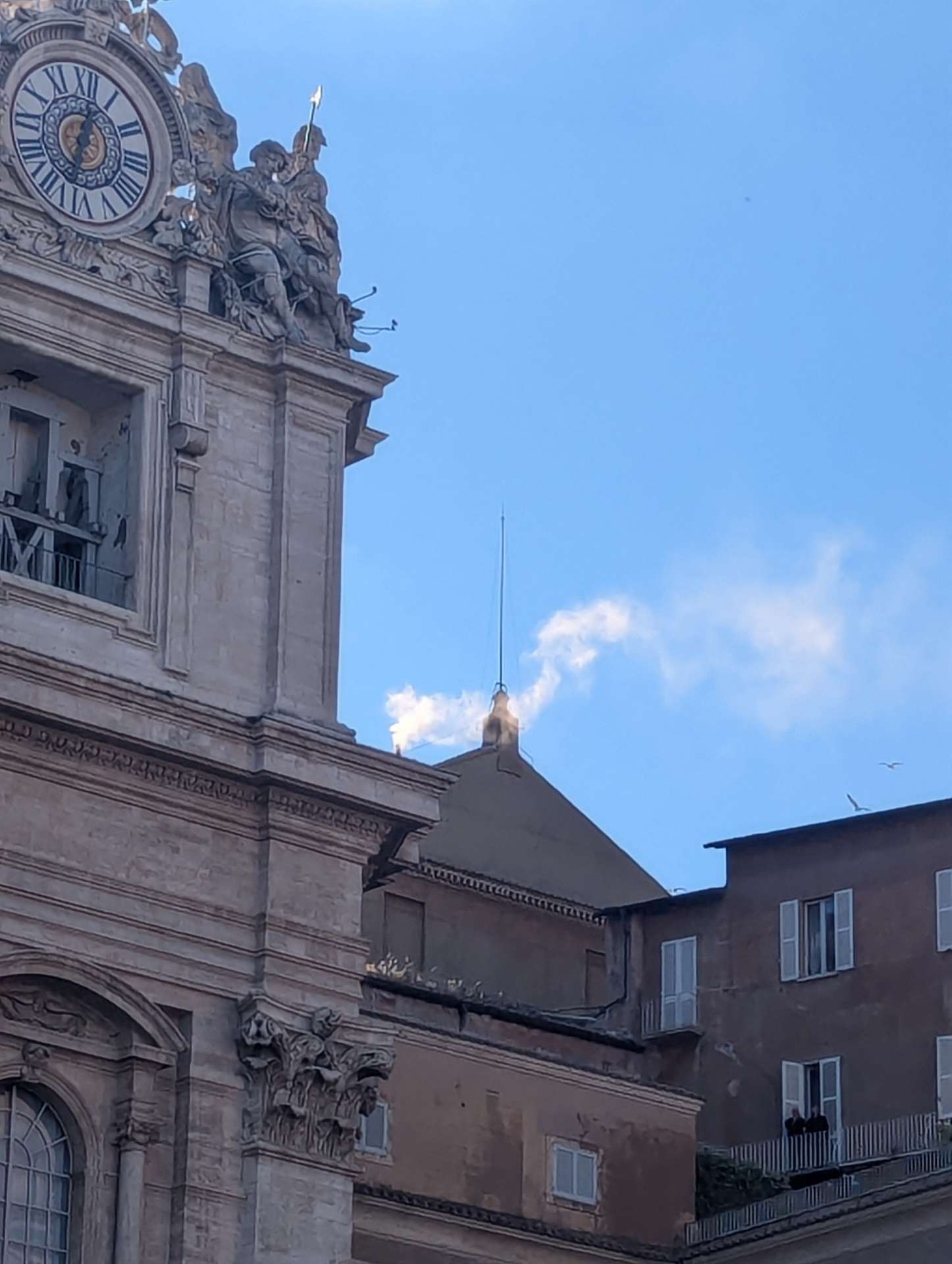
As the time before our trip went by, we realized more and more that we might see a funeral or a conclave, as pope Francis’ condition became more unstable. Once his death was announced (Eternal rest grant unto him, O lord), we realized that seeing the conclave was within the realm of possibilities. Little did we actually realize that we would be there to see it.
Having gone through the Great books Program at Angelicum brought many things to mind as we went on the trip. Once we were in Rome, it was nothing like what Livy described in the History of Rome, or what Tacitus reported. For one, they now had cars and trains, and used them to their fullest potential. Having grown up in Germany (which is very similar regarding traffic), this was not overly surprising. What was surprising, however, was how the Great Books made what we saw in Rome come alive. Realizing that we were standing above St. Peters grave or by the place where the senators of Rome gathered really put into perspective that the things we read about really happened, the ruins being before our eyes.
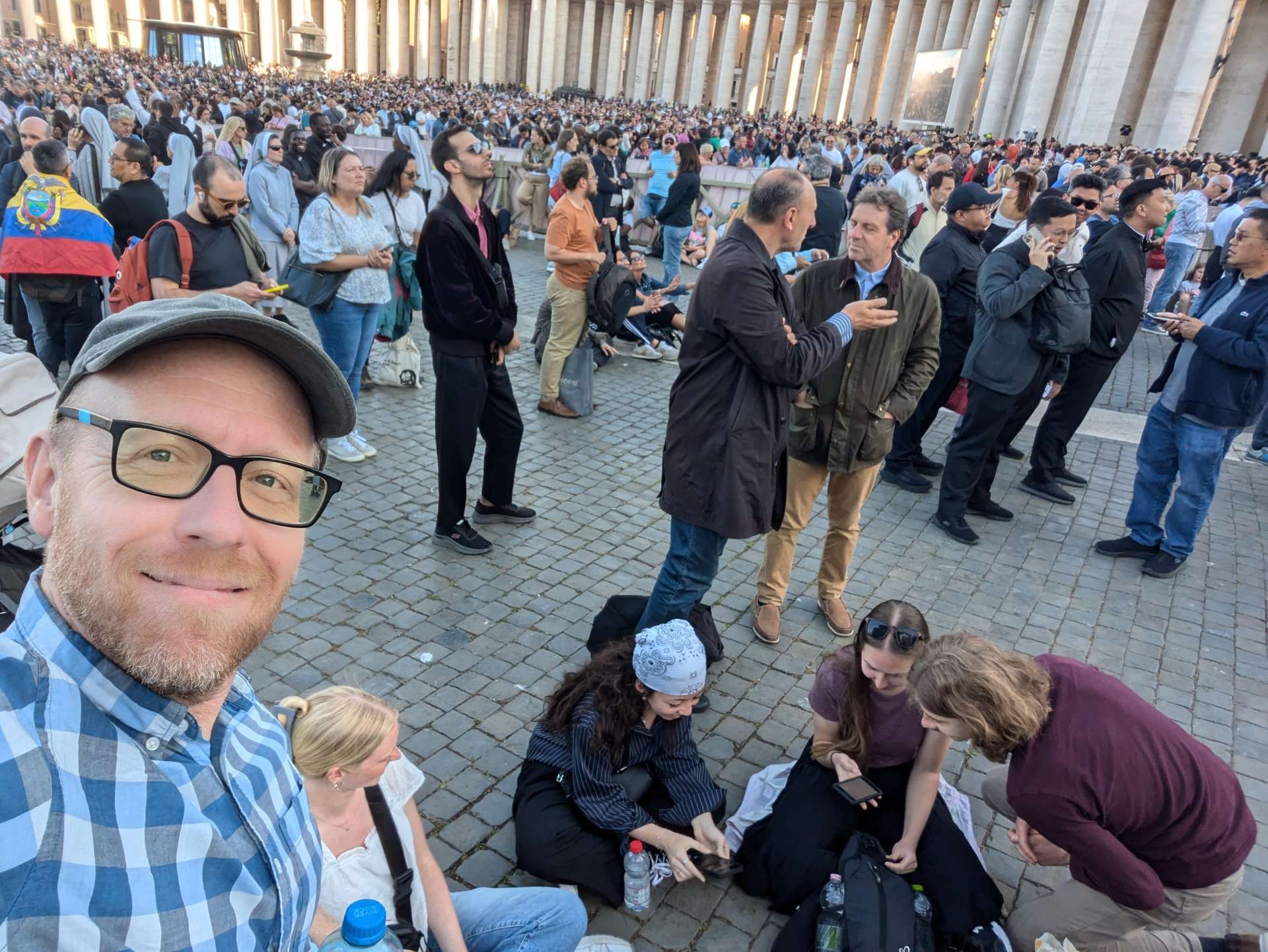
When we first walked into St. Peters square, everything seemed regular and in place. The stone pillars simply glared back at us as though everything was supposed to be there, which was slightly surprising to me. The most extraordinary things are typically those that are out of place, since they are irregular. This was not the case with St. Peters, as the square itself seemed as though it had been there for some time. Yet this changed after going inside the many churches, which is when I realized that things that are familiar yet wonderful are perhaps more amazing, especially because they tend to get monotonous.
Being part of the online Great Books classes and reading the books is certainly a good way of knowing what took place in the past, but being in these places made us see and feel them, which certainly added to and completed what we learned. For this reason I am very grateful for having taken the Great Books program.